


Resources · Materials
Galvalume Plus™ Steel
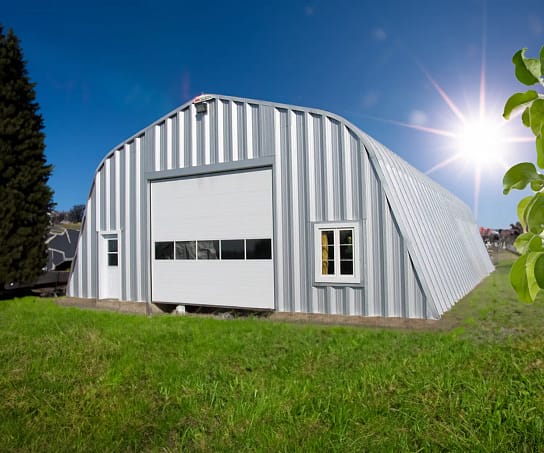
Every Toro steel building, M-Model, T-Model, and arch-style, is built with Galvalume Plus steel, backed by a 50-year rust perforation warranty.
- Alloy
- 55% aluminum · 45% zinc
- The “Plus”
- Clear acrylic coating
- Supplied by
- ArcelorMittal Dofasco
- Warranty
- 50-yr rust perforation
- Used on
- M-Model, T-Model & arch-style
The material
What Is Galvalume Plus Steel
Galvalume is a metal alloy of 45% zinc and 55% aluminum. Galvalume Plus adds a clear acrylic coating to the surface of the metal, enhancing resistance to rust and corrosion in normal climate conditions.
Why it matters
Built to Last, Whatever the Model
This coating is central to Toro’s 50-year warranty against rust perforation, the guarantee behind why so many customers choose our buildings. Fast to build and made to last, Galvalume Plus steel is part of every Toro building regardless of model or framing system.
Compare coatings
Galvanized vs. Galvalume vs. Galvalume Plus
Standard galvanization dips steel in zinc. Galvalume improves on it by combining aluminum and zinc, and Galvalume Plus adds a clear acrylic coating on top.
| Galvanized | Galvalume | Galvalume Plus™ | |
|---|---|---|---|
| Coating | Zinc only | Zinc and aluminum | Galvalume alloy plus a clear acrylic coating |
| Small scratches and abrasions | Zinc protects them | Zinc protects them, the same as galvanized | Same as Galvalume |
| Once the coating is damaged | Corrosion spreads and the galvanized layer sheds | Aluminum slows corrosion and limits how far it spreads | Same as Galvalume, with the acrylic coating adding resistance to rust and corrosion |
| Developed | Over 200 years ago | Around 50 years ago | — |
In the field
Galvalume Plus Buildings


Keep reading
Related Resources
Good to know
Frequently Asked Questions
A metal alloy of 45% zinc and 55% aluminum, with an added clear acrylic coating that enhances rust and corrosion resistance.
Galvanized steel uses only zinc. Galvalume adds aluminum to the coating, providing better corrosion resistance and slower damage spread once the coating is compromised.
They are designed for corrosion and weather resistance, supporting long-term durability for storage, agricultural, and commercial use.